Explore

Choosing the right surface material is one of the most important decisions in kitchen and interior design. Quartz and marble have long been popular for their beauty and durability. However, modern living demands more than just aesthetics. Hygiene, safety, and long-term performance have become equally important. This is where MaxGuard changes the conversation.
MaxGuard is not just another type of quartz or marble finish. It is an advanced antibacterial technology integrated into engineered stone surfaces. Understanding how MaxGuard differs from regular quartz and natural marble helps homeowners and designers make informed decisions for healthier and more reliable spaces.
Understanding Regular Quartz and Marble
Before comparing, it is important to understand how regular quartz and marble function.
- Regular quartz is an engineered stone made by combining natural quartz with resins and pigments. It offers good strength, consistency, and stain resistance. However, standard quartz does not inherently stop bacterial growth unless it is treated with external coatings.
- Natural marble is a timeless material known for its elegance and uniqueness. Each slab is different, which adds to its charm. At the same time, marble is porous and requires careful maintenance. It can absorb liquids, stain easily, and become a breeding ground for bacteria if not sealed and cleaned properly.
While both materials are visually appealing, they have limitations when it comes to hygiene and long-term cleanliness.
What Is MaxGuard Technology?
MaxGuard is a built-in antibacterial technology developed for engineered stone surfaces. Unlike surface coatings or sprays, MaxGuard is integrated into the stone during the manufacturing process. This means the antibacterial protection exists throughout the material, not just on the top layer.
The technology actively inhibits bacterial growth around the clock. It does not rely on cleaning agents to function and does not wear off with time. This makes MaxGuard fundamentally different from regular quartz or marble surfaces.
Key Difference 1: Built-In Protection vs Surface-Level Safety
The most important difference between MaxGuard and regular surfaces lies in how protection is delivered.
- Regular quartz and marble rely entirely on external cleaning for hygiene
- Some surfaces use temporary antibacterial coatings that fade over time
- MaxGuard protection is embedded within the material itself
Because MaxGuard is part of the stone structure, even if the surface is cut, polished, or processed, the antibacterial properties remain active. This level of protection is not possible with traditional surface treatments.
Key Difference 2: Continuous Bacterial Resistance
Regular surfaces become hygienic only after cleaning. The moment food spills, moisture settles, or raw ingredients touch the surface, bacteria can begin to grow again.
MaxGuard surfaces work continuously. They actively reduce bacterial growth twenty-four hours a day, seven days a week. This makes a significant difference in environments like Indian kitchens where surfaces are used frequently and exposed to moisture, oils, and raw food.
This continuous action provides peace of mind that goes beyond routine cleaning.
Key Difference 3: Longevity of Hygiene Performance
With regular quartz or marble, hygiene depends on how well the surface is maintained over time. Sealing marble repeatedly is essential, and even then, protection can degrade.
MaxGuard offers lifetime antibacterial protection. Cleaning agents, water, heat, and daily wear do not reduce its effectiveness. This long-term reliability makes MaxGuard a smarter investment for modern homes and commercial spaces.
Key Difference 4: Porosity and Moisture Absorption
Natural marble is porous by nature. It absorbs water, oils, and food spills if not sealed properly. This can lead to stains, odours, and microbial growth.
Regular quartz is less porous but still does not actively prevent bacteria.
MaxGuard engineered surfaces are non-porous and antibacterial. Liquids remain on the surface rather than being absorbed, and bacteria struggle to survive due to the built-in protection. This combination significantly improves hygiene and ease of maintenance.
Key Difference 5: Odour and Stain Control
In kitchens, odours often develop due to trapped moisture and bacterial activity. Ingredients like garlic, onions, fish, and spices can leave lasting smells on surfaces.
Regular marble is prone to odour absorption. Regular quartz resists stains but does not actively control bacterial causes of odours.
MaxGuard surfaces reduce odour formation by limiting bacterial growth. This keeps kitchens smelling fresher and surfaces looking cleaner for longer.
Key Difference 6: Suitability for Indian Kitchens
Indian kitchens place unique demands on surface materials. High heat, heavy cookware, frequent cleaning, and the use of spices and oils create a challenging environment.
Regular marble struggles with stains and maintenance. Regular quartz performs better but still relies on surface cleaning alone.
MaxGuard surfaces are designed for these conditions. They resist stains, scratches, heat, and bacterial growth simultaneously. This makes them particularly suitable for Indian households where kitchens are used extensively throughout the day.
Key Difference 7: Health and Safety Benefits
Hygiene is directly linked to health. Surfaces that allow bacteria to grow increase the risk of food contamination and illness.
MaxGuard surfaces support healthier living by reducing bacterial presence on kitchen counters, dining surfaces, and food preparation areas. This is especially important for families with children, elderly members, or anyone with a focus on wellness.
Regular quartz and marble do not offer this level of proactive protection.
Key Difference 8: Maintenance Effort
Maintaining marble requires sealing, careful cleaning, and immediate spill management. Regular quartz is easier to maintain but still requires consistent hygiene practices.
MaxGuard simplifies maintenance. Normal cleaning is enough to keep surfaces hygienic. There is no need for special antibacterial treatments or frequent deep cleaning. This saves time and effort in daily life.
Where MaxGuard Makes the Biggest Impact?
MaxGuard surfaces are particularly valuable in:
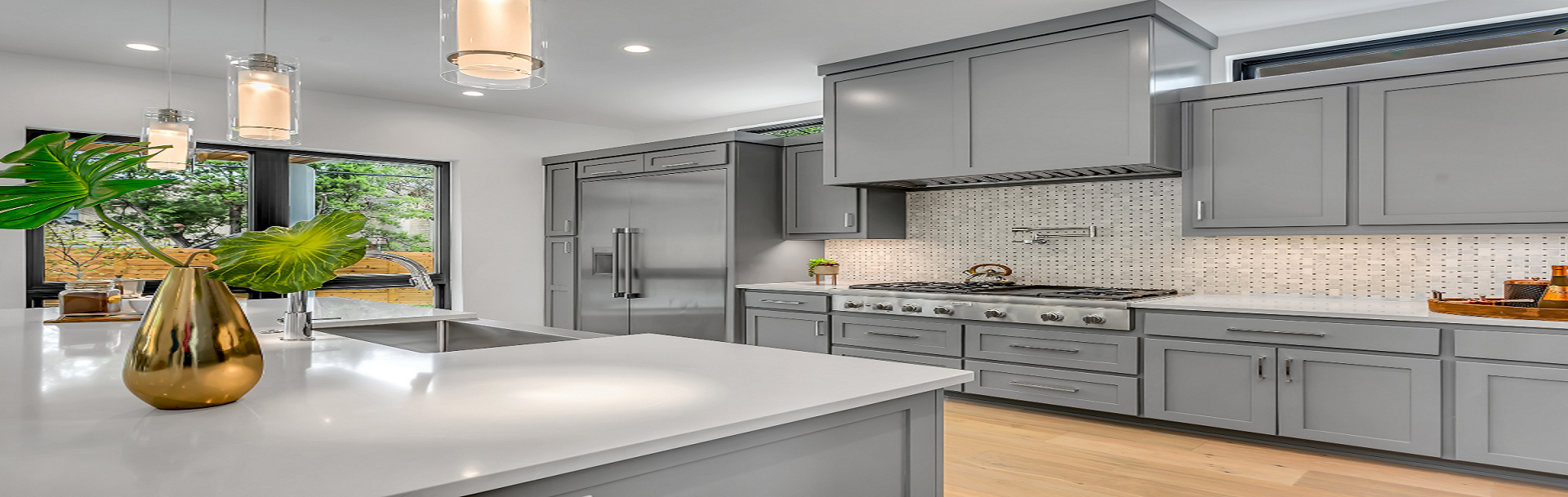
- Kitchen countertops
- Island counters
- Dining surfaces
- Healthcare and hospitality spaces
- High-traffic commercial areas
In these environments, hygiene and durability are critical. MaxGuard delivers both without compromising on design.
Making the Right Choice
Regular quartz and marble still have their place in design. However, when hygiene, safety, and long-term performance are priorities, MaxGuard offers a clear advantage.
It combines the visual appeal of premium engineered stone with advanced antibacterial technology. This makes it a future-ready solution for modern living.
Conclusion
The difference between MaxGuard and regular quartz or marble is not cosmetic. It is structural, functional, and long-lasting. MaxGuard transforms surfaces from passive materials into active protectors of hygiene.
For homeowners and designers seeking safer kitchens, cleaner interiors, and low-maintenance performance, MaxGuard represents the next evolution of surface technology. It is not just about how a surface looks. It is about how it performs every day.