Explore

Modern architecture and interior design are no longer driven by aesthetics alone. As buildings become more advanced and spaces more multifunctional, the materials used in construction must meet higher expectations. Durability, performance, sustainability, and hygiene are now critical factors in material selection. This shift has led to the emergence of a powerful concept known as material intelligence.
Material intelligence refers to the ability of engineered materials to deliver superior performance by combining scientific innovation with design functionality. Instead of relying solely on natural resources, modern materials are developed through advanced manufacturing processes that enhance strength, longevity, and reliability.
From residential interiors to commercial architecture, material intelligence is redefining how surfaces and structural elements perform over time. It enables designers, architects, and homeowners to build spaces that are not only visually appealing but also resilient and efficient.
Understanding Material Intelligence in Architecture
Material intelligence is the integration of technology, research, and engineering to improve the characteristics of construction materials. Traditional materials such as natural stone, wood, or concrete offer inherent beauty and strength, but they can sometimes present limitations related to maintenance, porosity, or structural consistency.
Engineered materials address these limitations by optimizing composition and manufacturing techniques. By carefully controlling the material structure, manufacturers can improve several key properties, including:
- Strength and impact resistance
- Resistance to stains and moisture
- Surface durability and longevity
- Hygiene and antimicrobial protection
This intelligent approach ensures that modern materials are designed for both performance and aesthetics.
The Evolution of Durable Surfaces
In the past, structural durability often depended on heavy, rigid materials that were difficult to adapt to modern design needs. While these materials served their purpose, they sometimes lacked flexibility in terms of application and maintenance.
Today, engineered surfaces have revolutionized the concept of durability. Quartz, engineered marble, and advanced composite materials offer a balance between elegance and structural reliability. These surfaces are carefully designed to withstand everyday use while maintaining their visual integrity.
Engineered quartz surfaces, for example, are created through a precise combination of natural minerals and advanced resins. This process results in a dense and durable surface capable of handling the demands of high-traffic spaces.
Strength That Surpasses Traditional Materials
One of the most significant advantages of material intelligence is improved structural strength. Advanced manufacturing techniques ensure that engineered surfaces provide consistent performance across every slab or panel.
Certain engineered quartz surfaces are known to offer greater strength than many traditional natural stones, making them highly suitable for architectural applications such as countertops, wall cladding, and flooring.
This enhanced strength allows surfaces to resist:
- Cracks caused by impact
- Surface wear from daily usage
- Structural stress over time
For homeowners and architects, this means greater confidence in the longevity of interior materials.
Resistance to Stains, Heat, and Scratches
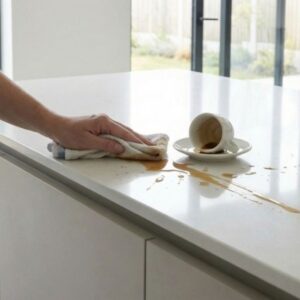
Durability is not only about strength. Modern surfaces must also withstand the environmental challenges of everyday living. Kitchens, bathrooms, and commercial spaces are constantly exposed to heat, spills, and heavy use.
Material intelligence addresses these challenges by creating surfaces that are highly resistant to:
- Stains from food or liquids
- Heat exposure from cooking appliances
- Scratches caused by daily activities
These protective qualities allow surfaces to maintain their original appearance even after years of use, reducing the need for extensive maintenance or replacement.
The Role of Hygiene in Modern Materials
In contemporary living environments, hygiene has become an important consideration in material selection. Kitchens, healthcare spaces, and public environments require surfaces that help maintain cleanliness and reduce bacterial growth.
Innovations such as integrated antibacterial technologies enhance the hygienic properties of engineered materials. Certain engineered quartz and marble surfaces incorporate advanced antimicrobial protection that helps inhibit bacterial growth on the surface.
This feature supports healthier indoor environments and adds a layer of reliability for surfaces used in food preparation areas or shared spaces.
Design Flexibility Without Compromising Strength
One of the key benefits of material intelligence is the ability to combine performance with design versatility. Unlike many traditional materials that come with natural variations and limitations, engineered surfaces offer consistent patterns and finishes.
This allows architects and designers to experiment with different styles while maintaining structural reliability. Material intelligence enables the creation of surfaces that mimic the elegance of natural stone while offering enhanced durability.
Such flexibility allows these materials to be used across various applications, including:
- Kitchen countertops and islands
- Bathroom vanities
- Wall cladding and decorative panels
- Flooring and staircases
The ability to maintain both aesthetic quality and structural strength is what makes engineered surfaces a preferred choice for modern architecture.
Material Intelligence: Architecting Spaces Built to Endure
As architecture continues to evolve, the importance of intelligent materials will only grow. Designers are increasingly seeking materials that combine beauty, resilience, and environmental responsibility.
Material intelligence represents the future of construction and interior design. It shifts the focus from short-term aesthetics to long-term performance, ensuring that buildings and interiors remain durable and adaptable over time.
In modern living spaces, surfaces are more than decorative elements. They are functional components that influence how a space performs and ages. By integrating advanced engineering with thoughtful design, material intelligence is redefining what structural durability truly means.
Visit the Kalinga Stone Experience Centre to witness structural durability in action and discover surfaces engineered for tomorrow’s challenges.